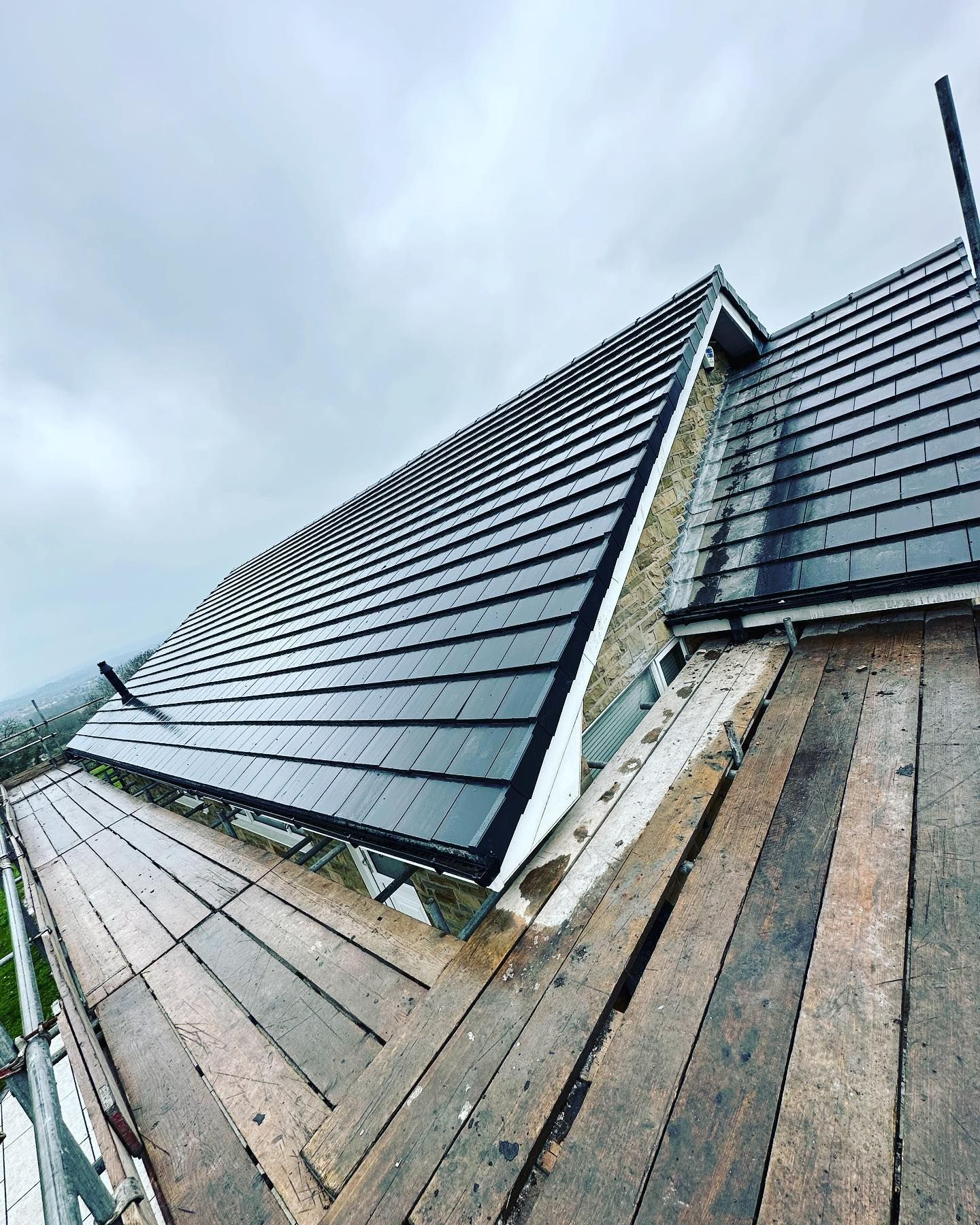
Roof Repair vs Roof Replacement - how to know which is the best option for your roof?
Your roof is the first line of defence for your home, shielding it from the ever-changing weather conditions that London is known for. As time passes, however, even the most robust roofs can face wear and tear. When confronted with roofing issues, the decision to repair or replace becomes pivotal. At Roofing London, we understand the significance of a durable and dependable roof. In this article, we'll guide you through the considerations that will help you decide between a roof repair and roof replacement, ensuring the continued protection and longevity of your home.
What is a roof repair?
A roof repair is a process of fixing and addressing issues or damage that may have occurred to a roof. It generally involves small scale roofing work and is is usually cheaper and quicker than an entire roof replacement. Some common types of roof repair include the following:
- Leak Repairs: Identifying and fixing leaks is a common reason for roof repairs. This may involve patching a small hole, replacing damaged shingles, or resealing flashing around chimneys or vents.
- Tile Replacement: Over time, individual shingles may become damaged, loose, or missing due to weather exposure or other factors. Roof repairs often include replacing these individual shingles to ensure a watertight seal.
- Flashing Repair: Flashing is a material used to prevent water from seeping into joints or seams in the roof, such as around chimneys, vents, or skylights. Damaged or improperly installed flashing can lead to leaks and requires repair.
- Sagging Roof Repair: A sagging roof may indicate a structural issue, such as damaged rafters or decking. Roof repairs may involve reinforcing the structure to restore its integrity and prevent further sagging.
- Ventilation Issues: Proper ventilation is essential for the health of a roof. Roof repair may be necessary to address ventilation problems, such as installing or repairing vents to regulate air circulation and prevent moisture build-up.
What is a roof replacement?
A roof replacement involves completely removing the existing roofing material and installing a new roofing system. This is a more extensive and comprehensive solution compared to roof repair and is typically undertaken when the existing roof has reached the end of its lifespan, sustained severe damage, or when a homeowner decides to upgrade to a different roofing material or style. The key aspects of a roof replacement include:
- Full Removal: In a roof replacement, the entire existing roofing material is removed, exposing the roof deck. This allows for a thorough inspection of the underlying structure to identify and address any issues that may not be visible with the old roofing in place.
- Material Selection: Homeowners have the opportunity to choose new roofing materials during a replacement. Common roofing materials include asphalt shingles, metal, tile, wood shakes, or slate. The choice of material depends on factors such as durability, aesthetic preferences, climate considerations, and budget.
- Structural Inspection and Repairs: Before installing the new roofing material, the roofing structure is inspected for any signs of damage or weakness. Any issues found, such as damaged decking or deteriorated support structures, are addressed to ensure the integrity of the new roof.
- Installation of Underlayment and Flashing: Once the old roofing is removed and any necessary structural repairs are completed, a new underlayment is typically installed to provide an additional layer of protection against water infiltration. Flashing, which helps to seal vulnerable areas like roof valleys, chimneys, and vents, is also installed or replaced as needed.
- Roofing Material Installation: The selected roofing material is then installed according to industry standards and manufacturer guidelines. Proper installation is crucial for the longevity and performance of the new roof.
- Ventilation and Insulation: Roof replacement provides an opportunity to reassess and, if necessary, upgrade the ventilation and insulation of the attic space. Proper ventilation helps regulate temperature and moisture levels, while adequate insulation contributes to energy efficiency.
Knowing when to repair and knowing when to replace
Assessing the Damage:
The initial step in this decision-making process is a thorough assessment of your roof's condition. Conduct a visual inspection, looking for signs of damage such as missing or damaged shingles, leaks, sagging areas, or visible wear and tear. Minor issues, such as a few missing shingles or localized damage, can often be efficiently addressed through repairs. On the other hand, if the damage is extensive or widespread, a full roof replacement might be the more sensible choice for ensuring the structural integrity of your home.
Age of the Roof:
Consider the age of your roof when weighing repair versus replacement. Roofs generally have a lifespan of 20 to 30 years, depending on the materials used and the local climate. If your roof is nearing the end of its expected lifespan and exhibiting signs of deterioration, opting for a replacement may be a more cost-effective and long-term solution. However, if your roof is relatively new and the issues are isolated, targeted repairs can effectively extend its lifespan.
Cost Comparison:
Budget considerations play a significant role in deciding between roof repair and replacement. While roof repairs are often more affordable upfront, it's crucial to assess the long-term cost-effectiveness. If your roof requires frequent repairs and the cumulative costs approach or surpass the expense of a replacement, investing in a new roof may be a more economical choice in the long run. Additionally, factor in potential energy savings with a new, more energy-efficient roof, as this can contribute to the overall cost-effectiveness of a replacement.
Severity of the Damage:
The severity of the damage is a key determinant in the decision-making process. If the issues are confined to a specific area and haven't compromised the overall structural integrity of the roof, repairs may be sufficient. However, if the damage is extensive, affecting multiple layers or compromising the roof's ability to protect your home adequately, a replacement may be the only viable solution. Always consult with a professional roofing contractor to get an accurate assessment of the damage and expert advice on the best course of action.
Energy Efficiency and Environmental Impact:
Modern roofing materials offer improved energy efficiency, which can contribute to lower energy bills and a reduced environmental impact. If your current roof lacks energy-efficient features, upgrading to a new roof during a replacement can be a wise investment. Consider materials with high reflectivity and insulation properties to enhance your home's energy efficiency and minimize your carbon footprint.
Future Home Plans:
Consider your future plans for the home when deciding between roof repair and replacement. If you plan to stay in your current residence for the long term, a roof replacement may provide peace of mind and long-lasting protection. On the other hand, if you are considering selling your home in the near future, targeted roof repairs that address specific issues may be a more practical and cost-effective approach.
Consulting with a Professional:
Ultimately, the decision between roof repair and replacement should not be made in isolation. Consulting with a professional roofing contractor is crucial for obtaining a comprehensive assessment of your roof's condition and receiving expert guidance on the best course of action. A qualified contractor can provide you with detailed cost estimates, discuss available roofing materials, and help you make an informed decision based on your specific situation.
Conclusion:
In the face of roofing issues, the choice between roof repair and roof replacement requires careful consideration of various factors. Assess the damage, factor in the age of your roof, compare costs, evaluate the severity of the damage, and consider the long-term benefits of energy efficiency. Consulting with a professional roofing contractor is key to making an informed decision that aligns with your budget, goals, and the unique needs of your home. At Roofing London, we are committed to ensuring the longevity and resilience of your roof, providing reliable solutions that stand the test of time.
Stll got further roofing questions? Don't hesitate to contact Roofers London today!
You might also like