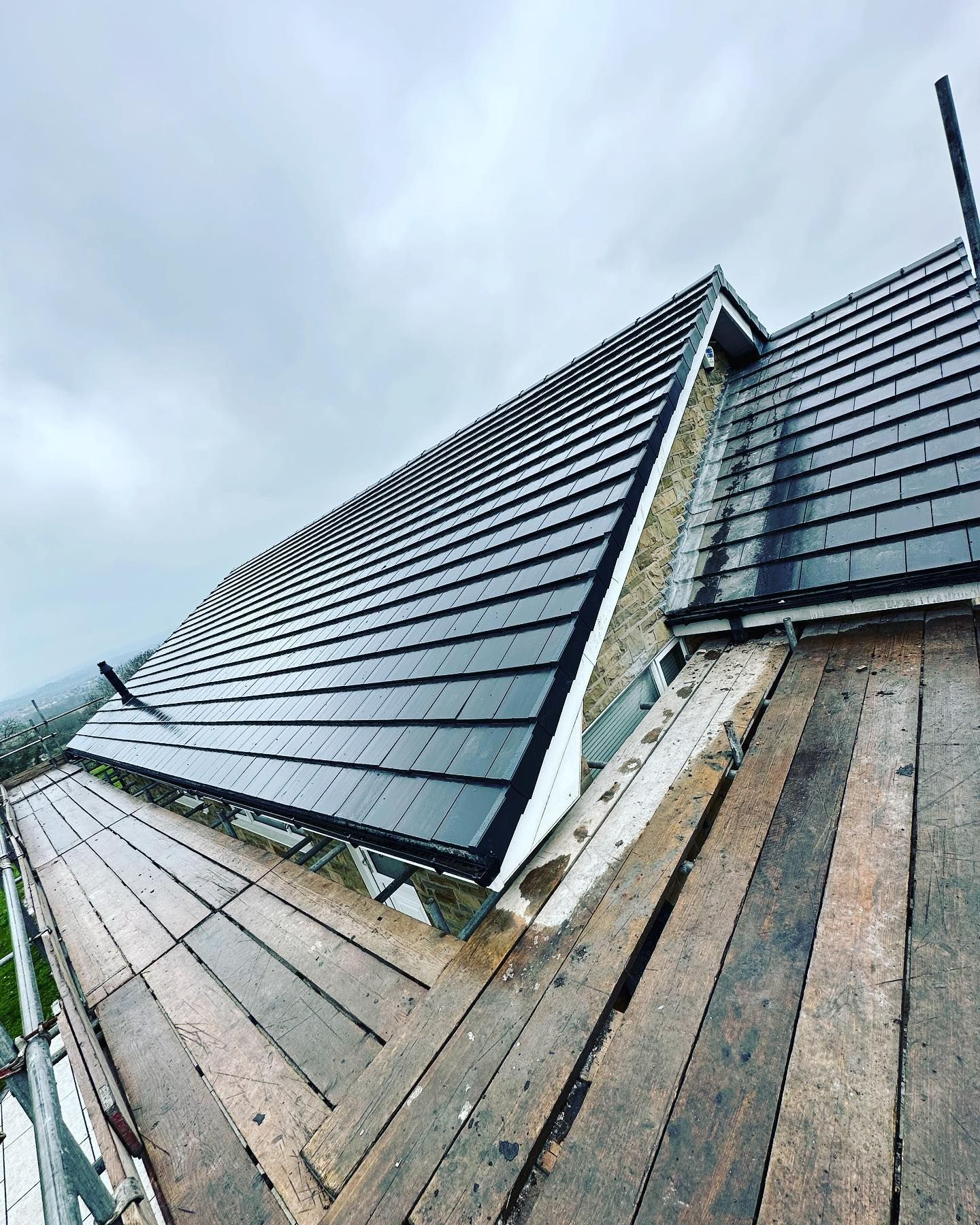
choosing your roof tiles
How to choose the right roof tiles for your property?
There are many different roof tile options to consider when replacing your roof, but how do you now which is the best choice? Roofers London have put a handy guide together to give you advice on choosing the correct roof tiles for your property.
When it comes to choosing the right roof tiles for your property, one of the most obvious factors that you need to consider is the aesthetic appearance of the roof. When selecting based on appearance, you must factor in the architectural heritage of your property, the colour of your external wall and the location of the property. If your property lies in a conservation area, or you live in a listed building, then your choice of tile will be affected by planning restrictions. In these instances, it is important to seek their approval about what will be acceptable. Also, if your roof is of vastly different appearance to the surrounding properties, then your roof will really stand out, this can be an advantage if you want your property to stand out, but a disadvantage of you want it to blend in with the others.
Other factors that should be considered when selecting a roof tile is the weather exposure, pitch of the roof, environmental factors and cost.
There is no right answer when it comes to selecting your tile, and in truth, more than one option may be perfectly acceptable for your project. One of the biggest differences that will affect your choice of tile is the material. Different materials have different technical specifications, durability, sustainability and price. Below are some common examples of roof tile materials:
Concrete tiles
Concrete tiles are extremely popular within the roofing industry and with good reason. Concrete tiles are available in varying colours and profiles and have great longevity. With correct maintenance, a concrete tile will last in excess of 50 years! Another great advantage with concrete is that it is cheaper compared with other materials and has great fire resisting properties. Modern concrete tiles can be made to represent more traditional slate tiles, which can be a real bonus if you want to maintain the original character of your property.
Clay Tiles
Clay roof tiles are also a really popular choice for roof tiles and have been around for centuries! Clay tiles often look very similar to concrete roof tiles but are generally much lighter. Clay tiles often have a distinct red colour but are also available in darker shades such as brown and black. As with concrete, clay tiles are extremely durable and can last for decades when cared for properly. Clay offers a slightly more traditional appearance than concrete so may be more advised if you live in an older property. The bright colour of clay can also really stand out, which can be drawback if you want your property to match those around it.
Slate tiles
Slate tiles are the most traditional roof tiles on the market and have stood the test of time for thousands of years. Slate tiles are often found on historic buildings and cottages and provide great weatherproofing. Natural slate can be a very expensive roofing material, and only comes in a dark finish. This can be and advantageous if your property is subject to planning restrictions, but a disadvantage if you are looking for something a bit different. An alternative to natural slate, is synthetic slate. Synthetic slate tiles are often made of recycled composite materials and are made to resemble the appearance of slate with a dark finish. Synthetic slate tends to give a more uniform finish on the roof as opposed to natural slate, where each individual tile has unique characteristics.
Tile Shape
Another consideration to make is the shape of your desired roof tile. Tiles come in all shapes and sizes. You will find on the market flat tiles, curved section tiles and profiled tiles both a curved and flat section. Each tile shape will give a different look to your roof. Larger tiles can be a good option to save money and time as each tile covers a greater area on the roof. This can reduce labour and material costs to install.
Roof Pitch
Not every tile on the market will be suitable for every roof. The pitch of the roof is an important factor to consider when choosing the right tile. Certain tiles can be fitted in vertical positions and other tiles are suitable for only suitable for shallow pitch roofs. It is important to check with the individual tile manufacturer regarding the recommended pitch of your roof tile
Interlocking and plain tiles
The way your tiles fit together will play a role in the overall appearance of your roof. Interlocking tiles are manufactured to fit securely together, whereas plain tiles butt together with a double lap to provide a weatherproof seal. Plain tiles offer a more traditional look, but they are also more labour intensive to fit which will increase the cost of your project.
At Roofers London, our roofing experts recommend that you consult with your roofing contractor prior to ordering any roofing materials. They will be able to advise on the best solution for your given scenario. It is also worth asking to see a sample of your desired tile prior to starting work, so you can experience the look and feel of it for yourself.
Here at Roofers London we are keen to support small business, please check out our friends -
Painters and Decorators Doncaster
You might also like