How cold weather can affect your roof

Roofing London • December 17, 2022

We have all felt the effects of the recent freeze in London over the past week. Snow and ice has impacted many homeowners, businesses and roofers alike! With these cold, icy conditions, we thought it would be a perfect opportunity to discuss how cold weather conditions can impact your roof and some important things you should look out for on your property.


Additional Weight

You may not realise it but snow an ice can add a considerable amount of weight to your roof. If the snow fall is particularly heavy, or prolonged, then the additional weight can cause damage to the roof structure itself. The additional weight creates a downward pressure on the roof, which can lead to sagging, or even collapse. It isn’t just the roof that can be affected, the guttering can also be compromised due to the build-up of snow. The snow builds up adding additional weight to the gutter brackets, which can cause the guttering to fail.


Blockages

The build-up of snow and ice can prevent the normal passage of water through the gutter system, which can lead to blockages. We see this happen where certain parts of a property may be sheltered from the sun, causing the snow and ice to take longer to thaw out. As we know from our experience, blocked gutters can also create damage to the outer wall, which can lead to internal damp issues.


Damage to roof coverings

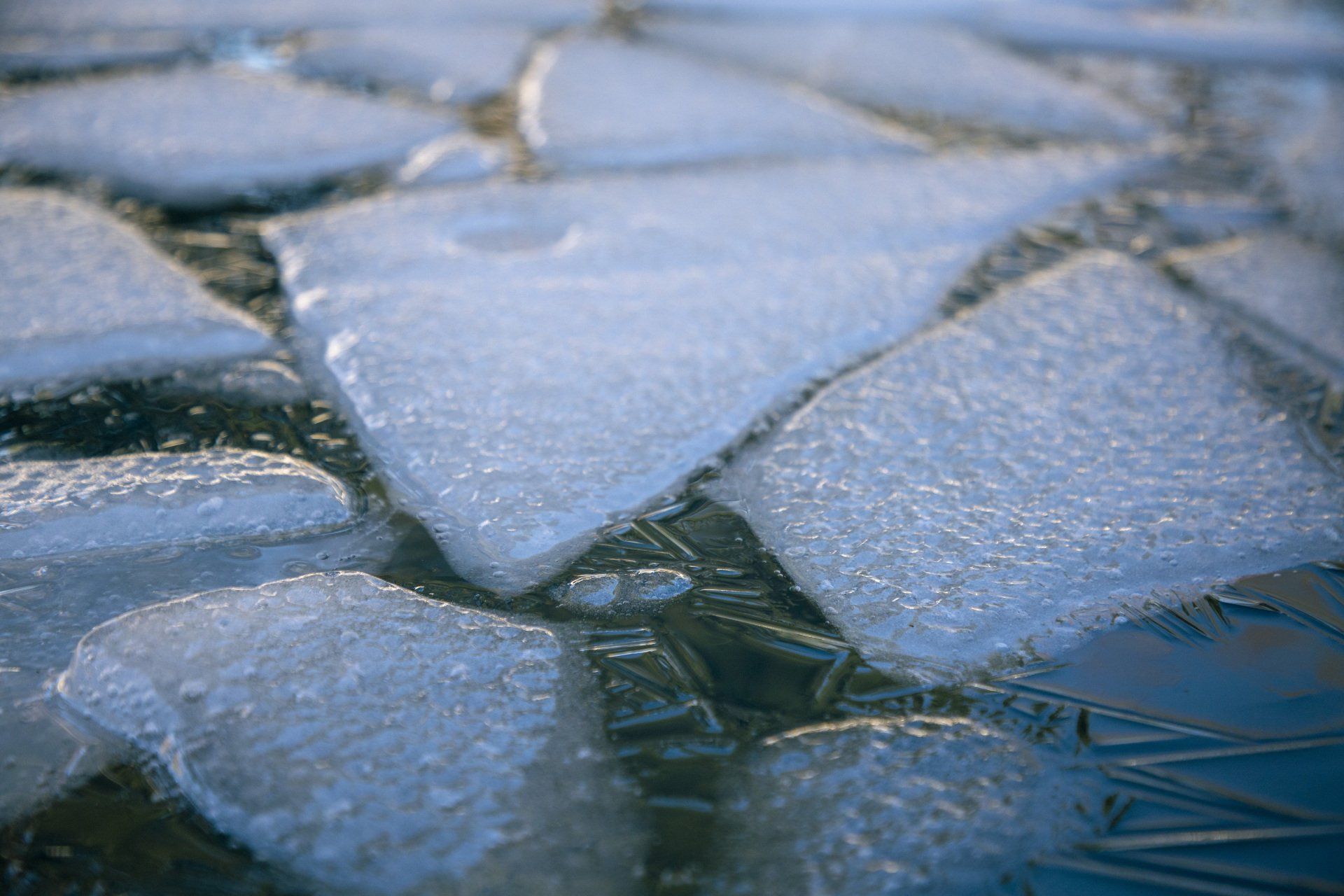
Another affect of cold weather on your roof is the ability of ice to create cracks and fissures in your roof covering. If your existing roof tiles or flat roof covering has cracks in, then water can get into these areas. In cold weather, this water can freeze and expand, causing your roof tiles or membrane to break up. This will increase the chance for roof leaks in the future and can create a lot of damage to your property if undetected. Frayed tiles also create a health and safety risk as they can cause serious injury if they fall and hit someone on the ground below.


Condensation

Condensation is another common issue that is created within roof spaces in cold weather. Cold air holds less moisture than warm air. As a result, when the air can no longer hold any further water vapour, water droplets will appear on adjacent hard surfaces.

At this time of year, it is common for customers to assume that their roof is leaking due to the presence of water droplets on the underside of the roofing felt. In many instances, this water is created by condensation in the loft, rather than a leaking roof. Condensation can be reduced by increasing ventilation within your property, including the loft space. In addition, ventilation of the roof space is essential to help any condensation to dry out. If you are replacing your roof, then we also advocate the use of a breathable membrane underfelt to facilitate air flow across the roof space.


Another way to prevent condensation is by making sure that the loft insulation is topped up correctly to a minimum of 300mm. This will help to stop warm air from the property entering the cold loft space. A top tip is to make sure that your loft insulation does not block the soffit vents and prevent storing items on top of your insulation, as this reduces its effectiveness.


If you are experiencing issues with your roof because of the cold weather, giver Roofers London a call. We will inspect your roof to quickly diagnose and repair any issues that have been caused because of snow and ice. Call today to arrange an inspection!


Roofers Chesterfield

You might also like

August 16, 2026
Looking for trusted roofers london? Discover key warning signs your roof needs attention and rely on our roofing london services. Get a free quote today!
By Hightop Roofing London December 28, 2024
Hightop Roofers London advise that as December settles over London, homeowners face unique challenges when it comes to maintaining their roofs. With frequent rain, occasional snow, and freezing temperatures, winter can put a roof to the ultimate test. By taking proactive measures, you can protect your home from leaks, enhance insulation, and prevent ice-related issues. Here are some essential tips to winter-proof your London roof and keep it in peak condition during the colder months. 1. Address Potential Leaks Before They Start London’s winter weather often brings prolonged periods of rain, making your roof’s integrity more important than ever. Here’s how to prevent leaks: Inspect for Damage: Examine your roof for missing or broken tiles, cracked shingles, or damaged flashing . These are common entry points for water. Clean Your Gutters: Blocked gutters can cause water to overflow and seep into your roof. Clear out any leaves and debris to ensure proper drainage. Check Around Skylights and Chimneys: These areas are particularly prone to leaks. Ensure seals and flashing are intact and watertight. Schedule a Professional Roof Inspection: A roofing expert can identify hidden vulnerabilities that could lead to leaks during heavy rains. 2. Enhance Your Roof’s Insulation Proper insulation is key to keeping your home warm and reducing energy bills during London’s chilly winters. It also prevents issues like ice dams. Here’s what to focus on: Inspect Your Attic Insulation: Make sure your attic is properly insulated to prevent heat from escaping through the roof. Seal Gaps and Drafts: Look for any gaps in your roof or attic where warm air might escape and seal them with caulking or weatherstripping. Consider Upgrading Insulation: If your insulation is outdated, invest in high-quality materials that provide better thermal performance. Ventilate Your Attic: Proper ventilation helps regulate temperature and prevents moisture buildup, which can lead to mold or structural damage. 3. Prevent Ice Dams and Snow Buildup While snow is less common in London compared to other parts of the UK, it’s not unheard of during December. When snow accumulates, it can lead to ice dams and other issues: Ensure Proper Drainage: Make sure your gutters and downspouts are clear so melted snow can drain away effectively. Remove Snow Safely: If snow does accumulate, use a roof rake to remove it safely. Avoid climbing onto the roof yourself. Install Heat Cables: For flat roofs or areas prone to ice buildup, consider installing heat cables to keep gutters and eaves clear. Improve Roof Pitch or Drainage: If ice dams are a recurring issue, consult a professional about improving your roof’s drainage design. 4. Conduct Regular Maintenance The best defense against winter weather is a well-maintained roof. Make it a habit to: Check After Storms: Inspect your roof after strong winds or heavy rain for any signs of damage. Replace Worn Materials: Swap out old or damaged tiles, shingles, or membranes before they fail. Trim Overhanging Branches: Trees near your home can shed branches or leaves onto your roof, increasing the risk of damage. Monitor Interior Ceilings: Keep an eye out for water stains or damp spots on your ceilings, as these could indicate a leak. 5. Work with a Trusted London Roofing Expert Winter roof maintenance can be dangerous and complicated, especially in London’s unpredictable weather. A professional roofing contractor has the tools and expertise to: Perform detailed inspections and repairs. Install insulation and ventilation systems . Safely clear snow and ice from your roof. Provide emergency repair services during the holiday season. Conclusion Winter-proofing your London roof is an investment in the safety and comfort of your home. By addressing potential leaks, improving insulation, preventing ice dams, and scheduling regular maintenance, you can ensure your roof stands up to December’s challenges. For expert advice and reliable roofing services in London, don’t hesitate to contact our roofers in London. Stay warm, dry, and stress-free this winter!
A stack of british pound notes and coins
By Roofing London November 11, 2024
In this article we give a comprehensive breakdown of how much roofers charge in London in 2024.

BOOK YOUR FREE QUOTE TODAY