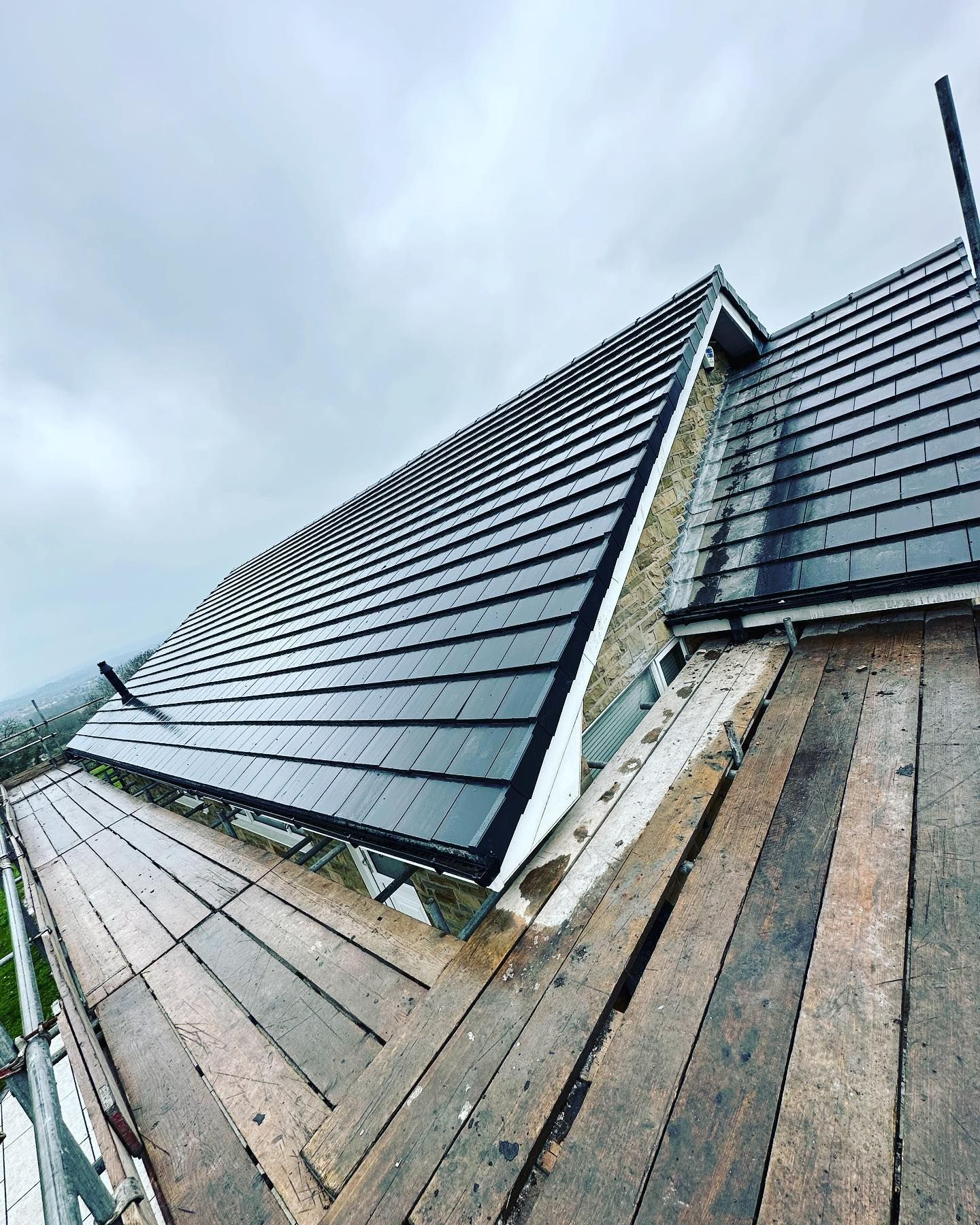
Planning permission in London - a guide to replacing your roof
What is Planning Permission?
Planning permission is the legal authorisation granted by the local planning authority that permits the implementation of development activities on a piece of land or within a building. Local planning authorities sit within the framework of the local council borough and the planning conditions for a property stipulate the allowable actions that can be performed on the property or land, along with the conditions and regulations that must be followed during the process.
Although planning permission may not always be required for roofing work, especially for minor repairs or adjustments, it is recommended to confirm with the local authority before initiating any changes. Not applying for planning permission can lead to penalties or other legal consequences for the property owner. It is also essential to keep in mind that planning permission can be denied or revoked, thus it is crucial to comply with all guidelines and regulations.
Why is it important to consider planning permission?
Obtaining planning permission is important for several reasons.
First and foremost, it ensures that any proposed development activities are in compliance with local planning regulations and guidelines, which have been put in place to safeguard the surrounding environment and the community's interests. By obtaining planning permission, the property owner can avoid potential fines, legal actions, or having to undo any work done in non-compliance.
Moreover, planning permission provides clarity on what can be done with a piece of land or property and under what conditions, such as the scope and duration of the development. This helps to avoid misunderstandings or disputes with neighbours, potential buyers, or other stakeholders.
Finally, obtaining planning permission can add value to a property, as it demonstrates that the proposed development is legally authorised and has undergone a thorough assessment of its environmental impact, viability, and compliance with planning regulations. It can make the property more attractive to potential buyers or investors and enhance its marketability.
How to apply for planning permission?
Planning permission can be achieved by lodging an application utilising the planning portal
Applying for planning permission can vary depending on the location and specific requirements of the local planning authority. However, here are some general steps to follow:
- Research: Start by researching the local planning regulations and guidelines that apply to the proposed development. This information can usually be found on the local council borough's website, such as Newham London, or by contacting them directly.
- Consultation: It is advisable to consult with the local planning authority before submitting the application. They can provide guidance on the information required, the application process, and any potential issues or concerns.
- Prepare the application: Prepare the planning application, including all necessary documents and plans, such as site plans, elevations, and design drawings. The application form can usually be obtained from the local authority's website. You may need to enlist the services of an architect to do this.
- Submit the application: Submit the completed application form and supporting documents to the local planning authority, along with the required fee.
- Assessment: The local planning authority will assess the application, including reviewing the proposed development's compliance with planning regulations, environmental impact, and any potential issues or objections from stakeholders.
- Decision: The local planning authority will then make a decision on the planning application. This decision can either be granted, granted with conditions, or denied.
If the application is granted with conditions, the applicant must ensure that they comply with these conditions. If the application is denied, the applicant may have the right to appeal the decision.
What roofing work requires planning permission?
The requirements for planning permission for roofing work can vary depending on the location and specific circumstances. However, here are some general types of roofing work which will almost certainly require planning permission:
- Major alterations: Major alterations to the roof, such as raising the height, changing the pitch, or altering the shape, are likely to require planning permission.
- Extensions: If the roofing work involves adding an extension, such as a dormer or mansard roof, to the property, planning permission is likely to be required.
- Listed buildings and conservation areas: If the property is a listed building or located within a conservation area, planning permission is likely to be required for any roofing work, regardless of the scope or type of work. A guide to conservation areas in the city of london can be found here.
- Materials: The use of certain materials, such as thatch or some types of metal, for roofing work may require planning permission.
It is important to note that the guidelines for planning permission for roofing work can vary depending on the location and specific circumstances. Therefore, it is recommended to consult with the local council borough, or a professional roofing contractor in London, to determine whether planning permission is required for the specific roofing work being planned.
What are the different types of planning application?
There are several types of planning applications and your specific requirements will dictate which application you require. The various types of planning applications are:
- Full planning application: This is the most common type of planning application and is used for all types of development, including new buildings, extensions, and changes of use.
- Outline planning application: This type of application is used when the applicant wants to obtain a decision in principle on whether the proposed development is acceptable. The application includes a basic description of the proposed development, and the local planning authority will provide feedback on whether they support the principle of the development.
- Reserved matters application: This application is used after outline planning permission has been granted, and the applicant wants to provide more details on specific aspects of the development, such as the design, layout, and appearance.
- Listed building consent application: This type of application is required for any proposed alterations, extensions, or demolition of a listed building.
- Prior notification application: This type of application is used for certain types of development, such as small-scale extensions or changes of use, where the local planning authority only needs to be notified of the proposed development and given a chance to raise any concerns.
- Lawful development certificate application: This application is used to obtain confirmation from the local planning authority that the proposed development is lawful and does not require planning permission.
- Pre planning application: This application is used to get a feel for whether your project will meet planning requirements or not and help to avoid spending significant amounts of time and money on projects that will not meet planning regulations
How much does a planning application cost in London?
The cost of a planning application in London can vary depending on the type of application, the size and complexity of the proposed development and the local borough's specific requirements.
In general, a domestic planning application in London will cost in the region of £462. If the development is particularly large, or involves multiple dwellings, then the price can run into several thousands of pounds.
How long does a planning application take?
The time it takes to get planning approval can vary depending on the specific circumstances of the proposed development and the local planning borough's requirements. For example, a full planning application can take longer to process than a prior notification application. In addition, more complex developments may take longer because the local planning authority may need more time to review and assess the application and consult with other stakeholders.
The length of time can also be affected if the local planning authority needs to consult with other parties, such as neighbours, statutory consultees, or relevant government agencies. The time it takes to receive feedback from these parties can also affect the time it takes to get planning approval.
Finally, the workload of the local authority will determine the amount of time required to process your application. If there is a high volume of planning applications being processed, it may take longer to get approval.
In most cases, the process of obtaining planning approval will take 8-12 weeks, so it is essential to factor this into the schedule for your project. It is recommended to check with the local planning authority to get a more accurate estimate of the time it may take to get planning approval for a specific development proposal.
What happens if a planning application is rejected?
If a planning application is rejected, the applicant has the right to appeal the decision to the Planning Inspectorate within a specified timeframe, usually within 6 months from the date of the decision notice. The appeal process involves a planning inspector reviewing the application and the reasons for refusal and making a decision based on the evidence presented.
There are several types of appeals, including written representations, hearings, and inquiries, and the appropriate type will depend on the complexity of the case. The appeals process can take several months to resolve.
In some cases, the applicant may be able to revise their proposal and resubmit a new planning application, addressing the reasons for refusal in the previous application. This can be a more straightforward and quicker process than going through the appeals process.
It is important to note that planning permission can also be granted subject to conditions and if the applicant fails to comply with these conditions, the planning permission can be revoked. Additionally, if the development goes ahead without obtaining planning permission, the local planning authority can take enforcement action, which may include issuing an enforcement notice, requiring the development to be removed or altered.
How to appeal a planning decision?
If your planning application requires an appeal, there are some important steps to take to try and resolve the issue: First, you must determine the appropriate type of appeal. There are several types of appeals, including written representations, hearings, and inquiries. The appropriate type will depend on the complexity of the case. It is important to remember that the appeal must be lodged usually within 6 months from the date of the decision notice. The appeal must be submitted to the Planning Inspectorate, which can be done online, by post, or by email.
When appealing the decision, it helps to provide the necessary documentation and evidence to show why the decision was incorrect. The appeal must include a copy of the decision notice, the original planning application, and any relevant supporting documents, such as drawings or reports. Any additional evidence to support the appeal should also be included.
When appealing a decision, you should include a clear statement of case, which sets out the grounds for the appeal and should address the reasons for refusal in the previous application. It should also outline the key points of the argument and the evidence to support it. There may be an opportunity to participate in the appeals process via meetings, inquiries or video calls.
It is important to note that the appeals process can be complex and take several months to resolve. It may be helpful to seek professional advice from a planning consultant or solicitor who specialises in planning law. Additionally, it may be possible to revise the proposal and resubmit a new planning application, addressing the reasons for refusal in the previous application. This can be a more straightforward and quicker process than going through the appeals process.
Summary
To avoid potential planning issues, it is recommended to consult with the local borough planning authority before commencing any roofing work. By obtaining an understanding of the process and required documentation, any potential delays, fines or problems can be avoided. If you require assistance with your roofing project in London, including navigating the plannign process contact Roofers London today!
You might also like