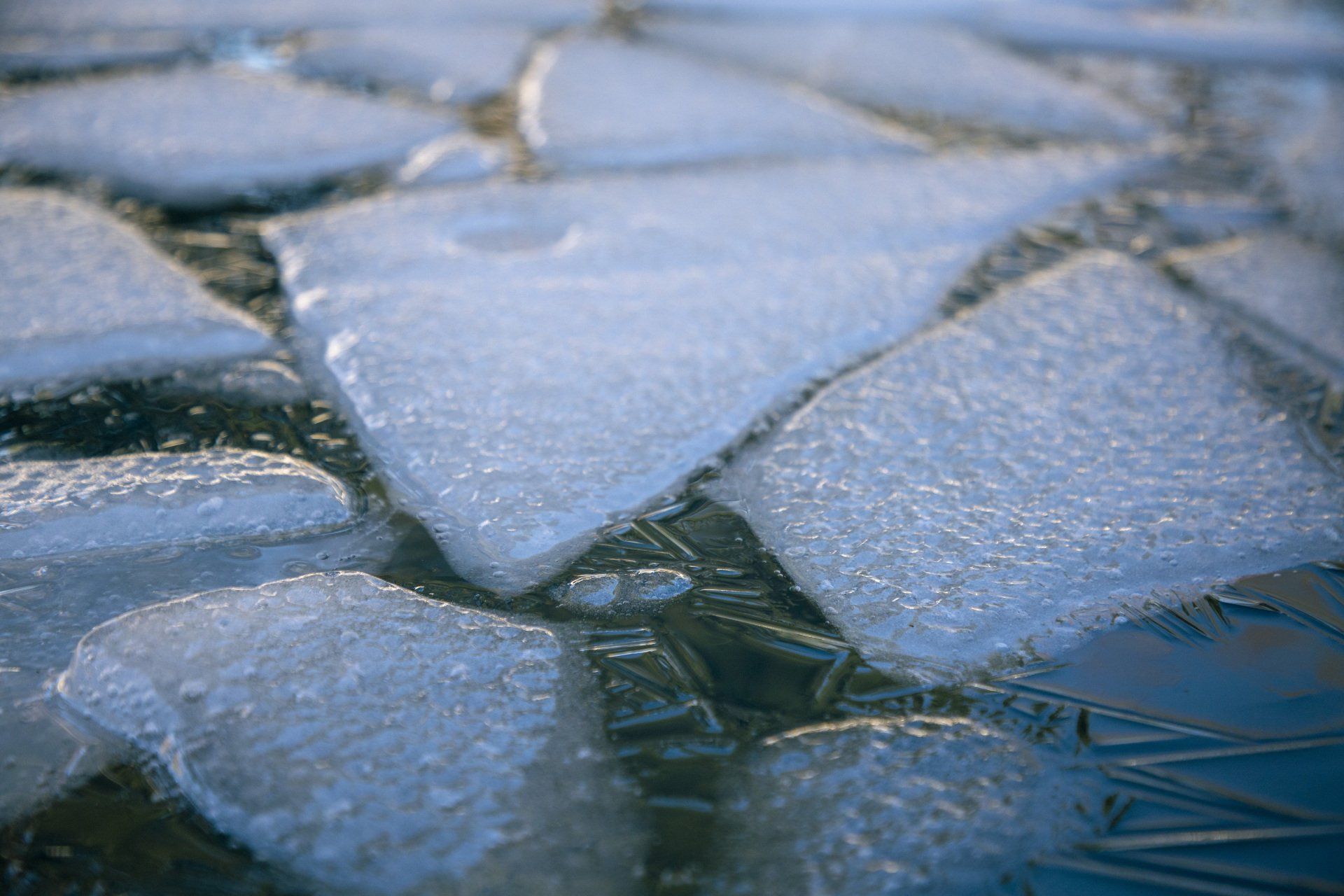
The Impact of Climate Change on Roofing: Adapting for Extreme Weather

Hightop Roofers London • January 1, 2024

Introduction:

Hightop Roofers London understands that In recent years, the effects of climate change have become increasingly evident, bringing about shifts in weather patterns and posing new challenges for homeowners. One critical area affected by these changes is roofing systems. As extreme weather events become more frequent, adapting our roofs to withstand these conditions is essential. In this blog post, our roofers in London will explore the impact of climate change on roofing and provide valuable insights on how homeowners can adapt their roofs to better endure extreme weather conditions.


Understanding the Changing Climate:

Climate change has led to an increase in the frequency and intensity of extreme weather events, including heavy rainfall, storms, hurricanes, and prolonged periods of intense heat or cold. These changes can take a toll on roofing materials and structures, potentially leading to leaks, damage, and decreased longevity of the roof.

Effects on Roofing Materials:


  • Increased Heat and UV Exposure:
  • With rising temperatures, roofs are subjected to more prolonged periods of heat and increased UV radiation. This exposure can accelerate the aging process of roofing materials, leading to deterioration, cracks, and loss of efficiency.


  • Intense Storms and Heavy Rainfall:
  • Extreme weather events such as hurricanes and severe storms can result in heavy rainfall and high winds. Roofs must be able to withstand these forces to prevent leaks and structural damage.


Adapting Roofs for Extreme Weather:


  • Choose Durable and Resilient Materials:
  • Opt for roofing materials that are specifically designed to withstand the challenges posed by climate change. High-quality materials such as impact-resistant shingles, metal roofing, or synthetic materials can provide enhanced durability.


  • Improve Insulation for Temperature Regulation:
  • Enhance the insulation of your roof to regulate indoor temperatures more effectively. Adequate insulation not only contributes to energy efficiency but also helps protect the roof from temperature extremes.


  • Invest in Proper Ventilation:
  • Proper ventilation is crucial for preventing heat buildup in the attic, especially during hot periods. This reduces the risk of thermal damage to the roofing materials and extends the life of the roof.


  • Regular Roof Inspections and Maintenance:
  • Stay proactive by conducting regular roof inspections to identify and address potential issues promptly. This includes checking for loose shingles, damaged flashing, or any signs of wear and tear.


  • Consider Green Roofing Solutions:
  • Explore environmentally friendly roofing options, such as green roofs or cool roofs. These solutions can help mitigate the urban heat island effect, reduce energy consumption, and enhance the overall resilience of the roof.


Conclusion:

As climate change continues to impact our environment, it is crucial for homeowners to adapt their roofs to withstand extreme weather conditions. By choosing durable materials, improving insulation and ventilation, and investing in regular maintenance, homeowners can enhance the resilience of their roofs and ensure long-term protection for their homes. Embracing these strategies not only safeguards against the immediate threats posed by climate change but also contributes to sustainable and resilient communities in the face of an uncertain future.


Contact Hightop Roofers London for professional guidance and your free competitive quote


You might also like
August 16, 2026
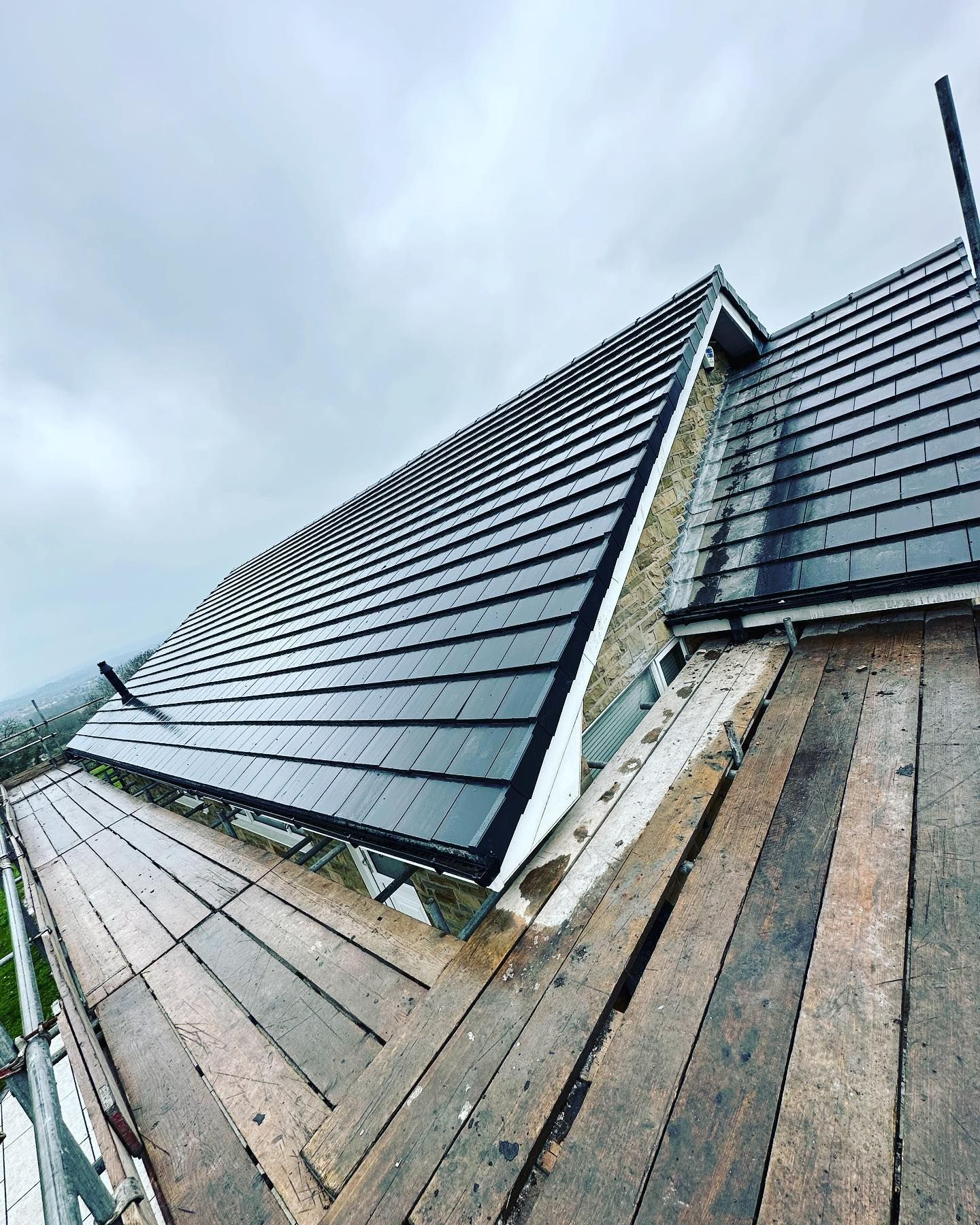
Looking for trusted roofers london? Discover key warning signs your roof needs attention and rely on our roofing london services. Get a free quote today!
By Hightop Roofing London December 28, 2024
Hightop Roofers London advise that as December settles over London, homeowners face unique challenges when it comes to maintaining their roofs. With frequent rain, occasional snow, and freezing temperatures, winter can put a roof to the ultimate test. By taking proactive measures, you can protect your home from leaks, enhance insulation, and prevent ice-related issues. Here are some essential tips to winter-proof your London roof and keep it in peak condition during the colder months. 1. Address Potential Leaks Before They Start London’s winter weather often brings prolonged periods of rain, making your roof’s integrity more important than ever. Here’s how to prevent leaks: Inspect for Damage: Examine your roof for missing or broken tiles, cracked shingles, or damaged flashing . These are common entry points for water. Clean Your Gutters: Blocked gutters can cause water to overflow and seep into your roof. Clear out any leaves and debris to ensure proper drainage. Check Around Skylights and Chimneys: These areas are particularly prone to leaks. Ensure seals and flashing are intact and watertight. Schedule a Professional Roof Inspection: A roofing expert can identify hidden vulnerabilities that could lead to leaks during heavy rains. 2. Enhance Your Roof’s Insulation Proper insulation is key to keeping your home warm and reducing energy bills during London’s chilly winters. It also prevents issues like ice dams. Here’s what to focus on: Inspect Your Attic Insulation: Make sure your attic is properly insulated to prevent heat from escaping through the roof. Seal Gaps and Drafts: Look for any gaps in your roof or attic where warm air might escape and seal them with caulking or weatherstripping. Consider Upgrading Insulation: If your insulation is outdated, invest in high-quality materials that provide better thermal performance. Ventilate Your Attic: Proper ventilation helps regulate temperature and prevents moisture buildup, which can lead to mold or structural damage. 3. Prevent Ice Dams and Snow Buildup While snow is less common in London compared to other parts of the UK, it’s not unheard of during December. When snow accumulates, it can lead to ice dams and other issues: Ensure Proper Drainage: Make sure your gutters and downspouts are clear so melted snow can drain away effectively. Remove Snow Safely: If snow does accumulate, use a roof rake to remove it safely. Avoid climbing onto the roof yourself. Install Heat Cables: For flat roofs or areas prone to ice buildup, consider installing heat cables to keep gutters and eaves clear. Improve Roof Pitch or Drainage: If ice dams are a recurring issue, consult a professional about improving your roof’s drainage design. 4. Conduct Regular Maintenance The best defense against winter weather is a well-maintained roof. Make it a habit to: Check After Storms: Inspect your roof after strong winds or heavy rain for any signs of damage. Replace Worn Materials: Swap out old or damaged tiles, shingles, or membranes before they fail. Trim Overhanging Branches: Trees near your home can shed branches or leaves onto your roof, increasing the risk of damage. Monitor Interior Ceilings: Keep an eye out for water stains or damp spots on your ceilings, as these could indicate a leak. 5. Work with a Trusted London Roofing Expert Winter roof maintenance can be dangerous and complicated, especially in London’s unpredictable weather. A professional roofing contractor has the tools and expertise to: Perform detailed inspections and repairs. Install insulation and ventilation systems . Safely clear snow and ice from your roof. Provide emergency repair services during the holiday season. Conclusion Winter-proofing your London roof is an investment in the safety and comfort of your home. By addressing potential leaks, improving insulation, preventing ice dams, and scheduling regular maintenance, you can ensure your roof stands up to December’s challenges. For expert advice and reliable roofing services in London, don’t hesitate to contact our roofers in London. Stay warm, dry, and stress-free this winter!
A stack of british pound notes and coins
By Roofing London November 11, 2024
In this article we give a comprehensive breakdown of how much roofers charge in London in 2024.

BOOK YOUR FREE QUOTE TODAY